Friday, August 19, 2022

New Jersey Water Booster Pump: Single Booster vs. Zone-divided Systems


Maintaining adequate water pressure and flow in a multi-story building is necessary for both fire-fighting and domestic applications. Domestic or city water pressure is often not enough to achieve these objectives, and that’s why these buildings require additional equipment.

The challenge of delivering reliable water pressure is serious in high-rise structures. For instance, hotels in New Jersey offer several guest rooms and large banquets for special events and meetings. At any given time of day, they require ensuring that every guest has access to the water they need when they need it. This is where New Jersey Water Booster Pumps can be used to…

·         Overcome low water pressure issues

·         Maintain constant water supply and flow

·         Decrease operational costs and provide peace of mind

New Jersey Variable Booster Pumps for High-rise Buildings

New Jersey Water Booster Pumps are perfect for high-rise structures because these pumps are capable of sitting idle during low-demand periods. This means they can easily ramp up when demand increases, saving time and extending the life of the system.

What makes New Jersey Variable Booster Pumps different than other pumps is that they are easy to transport and can fit into just about any space. Also, they are available in both electric and diesel models to cater to your unique needs.

4 Different Configurations of the New Jersey Variable Booster Pump

Like most buildings, water booster pumps vary in size and design. This makes it difficult to determine which one is most efficient and effective for your building. Let’s look at the four different system configurations to help you pick the right pump design.

1.      Single Booster System

In this case, a water tank is kept in front of the water booster pump. It is filled with water from the mains, which helps the capacity of the mains to be lower than the peak demand of the building. As a result, this ensures constant water pressure even in peak flow situations.

However, single booster systems can lead to unacceptably high pressure on the lower floors. When this happens, the system will require a pressure relief valve to remove excessive pressure.

2.      Zone-divided System

This water pressure system is split into several zones to ensure adequate water pressure on all floors without using pressure relief valves. There is a limit set to the upper and lower floors in each zone.

Zone-divided water booster pumps eliminate unnecessary water pressure and supply equal water pressure to all floors without wasting energy. This makes them great for taller buildings that often have to adapt to fluctuating consumption.

3.      Roof Tanks System

Roof tank systems ensure both water pressure and supply when some power failure takes place. This system requires pressure reduction valves on each floor, so it can avoid unnecessary high static pressures due to the insufficient geometric height of the roof tank.

4.      A Series-connected System

A series-connected system enables effective usage of power. This is because the water is only pumped to the zone. Keep in mind that when you draw water on the upper floors, the booster system must be able to deliver the water from the bottom of the building.

Zone-divided System: The Best Solution for High-rise Buildings

Picking the right water booster system depends on the height of your building and the load profile. In most cases, zone-divided systems offer the most efficient water-boosting solution. They ensure there is no additional water pressure to the system than what is needed.

While single booster systems produce excessive pressure and then remove it later, they often lead to significant pressure differences. Not only do they require additional components, they also require energy to remove the extra pressure. This is why investing in zone-divided systems could be the right move for taller structures.

They offer an intelligent way to boost water pressure on each floor – no more or less. By dividing a high-rise building into different booster zones, it becomes easier to define the flow and pressure needed at each zone. Make sure the size of each booster meets your exact water demand.

Are You Experiencing Low Water Pressure?

Each building has unique specifications and has its own set of requirements. Thus, we offer custom solutions when it comes to New Jersey Variable Booster Pumps. We carefully select, design, assemble, and test variable speed domestic water booster systems and use Yaskawa IQ Pump 1000 on every system that we supply. From water boosters that flow 5GPM to 1000 GPM and pressure boosts from 10 PSI to 800 PSI, we can help you meet your needs.

Get in touch with us today.

Thursday, August 4, 2022

Aurora Fire Pump New York: Providing Fire Protection Pumping Since 1919


 Whether you are looking for a pump for recirculating water within an HVAC loop, boosting water pressure for landscaping, or dewatering construction sites, Aurora meets all your needs. The company is committed to excellence that goes beyond the product line and is dedicated to keeping its customers, distributors, and employees constantly educated on the leading development in technology.

Why Choose Aurora Fire Pumps New York?

For more than a century, Aurora Pump has been one of the most trusted names when it comes to fire protection pumping. They are a global manufacturer of Aurora Fire Pumps New York for commercial, municipal, and industrial applications.

What makes Aurora Pump a great deal is that it has managed to maintain a superior reputation as a pump and system supplier. They are devoted to designing and manufacturing quality products that can efficiently adapt to an ever-evolving global market. On top of that, they provide reliable services at all stages of client care.

As a leader in global fire suppression, Aurora Pumps offers a full line of fire pumps, including:

·        Municipal Pumps - Aurora fire pumps offers high-pressure pumps for reverse osmosis applications. They produce and move potable water to support high demand.

·         HVAC and Water Supply Pumps - Whether you want to recirculate water within an HVAC loop or boost water pressure for landscaping, Aurora offers HVAC and water supply pumps.

·         Fire Suppression Pumps - Aurora is the place to explore UL/FM fire pumps for commercial and industrial applications.

In Closing

Be it an office, high-rise building, or villa, you can’t go wrong with Aurora Fire Pumps New York. At Callaghan Pump, we would like to assist you with selecting the best Aurora pumps and systems along with providing pump specifications. We are an authorized master dealer or distributor of Aurora FirePumps New York. From small 7.5 HP in-lines to 5000 GPM fire pumps, we cover everything.

To book your appointment, contact us. 

Wednesday, July 27, 2022

5 Questions to Answer Before Investing in NYC Water Booster Pumps


If low water pressure is a serious issue in your building, then installing an NYC Variable Booster Pump could be the right solution. Why? Because it’s designed to deliver high water pressure and ensure that other pumps in the system do not cavitate.

Water booster pumps are most commonly used in high-rise buildings that often struggle with inadequate water pressure. By connecting the water source with points of consumption like taps, faucets, and showers, NYC Variable Booster Pumps achieve adequate water pressure. They draw water from a source and then pressurize it before distributing it to the endpoints. Here are a few important questions to ask before investing in an NYC Water Booster Pump.

1.      Why do you need a Water Booster Pump?

If you want to move water through a high-rise building, you will require a high-pressure head. This is where you need a water booster pump. You may know that gravity hugely affects water pressure. Whenever water has to travel up to higher floors, gravity pulls it down. This leads to low water pressure and insufficient water supply. To move water up to several floors, you will need an NYC Variable Booster Pump.

Water booster pumps work just like any other ordinary pump. They increase water pressure by adding a pump to the fluid flow system. Generally speaking, these are centrifugal pumps that take water from a source and transfer it through a single-stage impeller or multiple-stage impeller. To achieve high pressure, you can install a booster pump along a pipeline.

2.      What are the Main Applications of Booster Pumps?

Water booster pumps come in different designs with different specifications for different applications. For instance, domestic NYC Variable Booster Pumps keep the water pressure and supply steady to ensure that you do not miss out on your daily routine due to the scarcity of water. In addition to that, you can use high-power booster pumps for irrigation sprinklers and spraying systems.

Other applications include industries that need optimal water pressure for different uses. They are essential pieces of equipment in the food and beverage industries for supplying water to clean and sanitize production areas, such as raw product intake, manufacturing, filling, and load-out. Their role is to make sure the product that leaves the facility is safe for consumption.

3.      Where to Install a Booster Pump?

Install an NYC Variable Booster Pump right where water needs to be transported from. For instance, in a household with low water pressure, it should be installed on the mainline where water enters the building. Plug the inlet in, and let the outlet connect with the back of the plumbing supply.

Also, having a bypass is always great in case of pump malfunctions. It allows isolation of the booster pump when a failure occurs, ensuring continuous water supply. Make sure you test it before connecting the pump to the house.

4.      How to Boost the Efficiency of Water Booster Pumps?

NYC Variable Booster Pumps are also energy-efficient. You can optimize the performance and efficiency of your water booster pump by using variable speed drives (VSD). This can be done by adjusting the speed of the water flow based on the different pressure head requirements. For instance, if your water pressure at the source differs, then you can adjust the performance of the booster pump.

5.      How to Choose the Right Booster Pump?

Choose something with less running costs than conventional systems. For instance, NYC Water Booster Pumps are factory-tested systems that are distributed as a package. Several factors, ranging from the condition of pipelines to the desired level of pressure heads, should be considered. Below is a list of things you ought to consider before spending money on a booster pump:

·         Types of Pumps

Educate yourself about the types of booster pumps and their uses. You can explore a variety of pumps online – from centrifugal pumps to rotary gear pumps. Centrifugal pumps are generally the best option and are driven by electric motors. They possess one or multiple impellers to easily pump water.

·         Pump Specifications

Find out the number of gallons transferred per minute. Accordingly, pick the right pump that fits your water-boosting needs. Don’t go for higher specifications if your requirement is for a lower specification pump. This can ultimately damage your water system or pipelines.

·         Pressure and Temperature Specifications

Knowing the pressure and temperature conditions of your NYC Variable Booster Pump is of prime importance. Make sure you read and understand the manufacturer’s guidelines for a clear understanding of installation and maintenance.

·         Number of Pumps Required

Some large-scale projects need more than one booster pump to ensure adequate water pressure. Thus, it is essential that you know your requirements beforehand, so you can invest your money in more than one pump. This is true for industrial applications.

·         Loss of Friction

At peak flow rates, there may be loss of friction. This matters when you have any doubt related to the size of the interconnecting pipework. Also, if the pipework is too small in size, there will be a significant drop in water pressure throughout the water system. So make sure you consider such losses.

·         Pick the Right Power Source

If your water source is located in an overhead reservoir, which is at a higher elevation, there is no need for any power source. This is because gravity flow can flush the water down. However, booster pumps can be powered using electricity or diesel. Electric motors are most commonly used to drive pumps in various settings. They are comparatively cheaper and safer than other power sources like diesel booster pumps.

Closing Thoughts

NYC Variable Booster Pumps are effective in homes, hospitals, schools, offices, and industrial development sites. They are ahead of their time and can help meet the exact requirements of the end-user. If you would like more information about NYC Variable Booster Pump, contact the team at Callaghan Pump today. 

Thursday, July 14, 2022

Diesel Fire Pump: Keep Your Fire Protection System Ready for Action


A fire sprinkler system is an innovation that has been saving properties, assets, households, and lives for over a century. Modern sprinkler systems are more complex and effective than ever. They are commonly used in hospitals, warehouses, offices, schools, and more. However, if the water pressure running through these systems isn’t sufficient, they may become completely useless. This is where an electric or diesel fire pump can help you eliminate water pressure issues.

Let’s discover more about diesel fire pump packages!

Electric vs. Diesel Fire Pumps

Both electric and diesel fire pumps deliver the same results, but their engines operate in different ways and require different protocols for maintenance and testing. For instance, electric engines are more common, cheaper, and require less maintenance.

However, if you don’t have a backup generator, these engines may become useless when the power goes out. That said, diesel engines don’t get affected by power outages, making them more reliable for bigger applications. However, these are more expensive and require more maintenance protocols to keep them in good working condition.

The Complete Functioning of a Diesel Fire Pump

To understand how a diesel fire pump works, you need to understand what a fire pump is made of. A fire pump is made up of the motor, driver, and controller. It receives water from either a water tank, underground water supply, or a city reservoir. The pump boosts the water and supplies it through the sprinkler system and hose standpipes.

The main types of diesel fire pumps are the horizontal split-case, vertical split-case, vertical in-line, and vertical turbine. The most common one is the horizontal split-case, which is also the most economical one for higher flow applications. They have long lifespans that make them a popular choice. Another popular option is the vertical split-case, which is similar to horizontal split-case fire pumps, except they take up less space. This is because of their vertical design, which protects the pump from potential flooding damage.

Diesel Fire Pump Inspection and Testing

All fire pumps require testing and inspection, but diesel fire pumps require extra care to ensure that all the valves are in the open position. They must be no-flow or dry tested, and this should be done weekly. Both the weekly visual inspection and the dry test are performed by professionals. In the case of electric fire pumps, they generally require dry-testing only once a month. Diesel fire pumps must undergo comprehensive annual testing, which puts the whole pump through its paces. During the test, measure the water pressure and then compare the measurements to the original design specifications. The point is to make sure it’s operating effectively.

Diesel fire pumps should be serviced annually in addition to the inspections and tests. This service includes replacing fuel filters, testing batteries, fluid levels, etc. Make sure the maintenance is carried out by someone certified, not just by any regular technician. Use a fire pump sensing line to take care of the temperature effect.

Installing Diesel Fire Pumps

As with the decision on what type of diesel fire pump and system to use, the installation of the pump should be handled by fire safety professionals. There is an array of considerations as per the National Fire Protection Association (NFPA) that need to be followed.

Though weekly inspections can be done by any personnel on-site, annual and monthly inspections should be performed by qualified personnel, such as factory-trained and certified personnel.

What Does a Fire Pump Sensing Line Do?

A sensing line or impulse line is used to enable the location of pressure transmitters away from the process being measured. It is used to reduce the temperature effects on the transmitter’s performance. Generally speaking, each pump has its own individual controller, and each controller contains its own individual sensing line. The fire pump controller is connected to the fire protection system with the help of piping known as a sensing line. It is connected to the fire protection system between its discharge control valve pump and discharge check valve.

One end of the fire pump sensing line installation is connected to the pressure sensor within the controller and the other end to the fire pump piping between the discharge check valve and discharge control valve. This actually provides the controller the ability to sense any water pressure change occurring in the fire protection system when the fire pump is functioning. This also allows testing of the pressure settings even when the discharge control valve is off.

Keep in mind that…

·         The sensing line should be non-corrosive and its size must be a minimum of ½-inch.

·         Install two check valves in each sensing line to absorb pressure surges and avoid the controller pressure switch from getting damaged.

·         Also, these check valves should be at least five feet apart.

·         No-flow testing is required weekly for diesel fire pump packages unless there’s a risk analysis indicating a different frequency is acceptable.

·         The pump engine should be run at the rated speed for at least 30 minutes to allow all its components to warm up.

Let Us Take Care of Your Fire Pump Needs

With more than 14 years in the business, Callaghan Pump is a leader in the fire protection industry. We supply branded fire pumps that are equipped with a fire pump sensing line and jockey pump. Enjoy the peace of mind that comes with knowing your fire protection system is compliant 24/7.

Let us know if you need any help!

Friday, June 17, 2022

How to Prepare Your Water Booster Pump System Before You Leave


Imagine this: You are leaving your home for a long vacation, and your water booster pump system will not be in use. What will you do to prepare it for when you are on vacation? What are the important measures you should take? Is there anything you should do before leaving? Let’s find out!

1.      Turn Off the Main Water Supply

Nothing ruins a good vacation like coming home and finding out that your water booster pump is leaking. To avoid this, you need to take care of the main water supply. Turn it off if you’re going to be on a vacation for a week or more.

2.      Check the Sump Pump

It is reported that rainwater can also be a nightmare for water booster pumps. Your sump pump can fail if a major storm comes around while you are away. So make sure the sump pump is nicely working before you leave the place. If possible, perform a full check of the system prior to your departure.

3.      Test Your Current Water Pressure

Use a water pressure gauge, which can be purchased from a hardware store, to test the existing water pressure. It will tell you how many pounds per square inch (PSI) water pressure you have. Make sure it does not go over 75 PSI because it can damage the plumbing system.

In Addition…

Water pumps are the cogs in the wheel, keeping your facility functioning efficiently. Whether they are used for manufacturing processes or house-holding, it is vital to keep your pump running properly. Here, a regular maintenance schedule should be followed.

·         Determine Maintenance Frequency

Consult the original manufacturer and their guidelines. Consider the timing to schedule your pump tests and maintenance. Get to know your system and make note of leaks, unusual sounds, vibrations, etc.

·         Keep Safety First

Make sure all the components of the water booster pump machines are properly shut down before performing your maintenance. Proper isolation is crucial for electrical systems and also for hydraulic systems.

·         Mechanical Inspection

Check that mounting points of the pump are secure. Make sure to inspect the packing and mechanical seal. Also, inspect the couplings and clean filters. Don’t forget to lubricate the motor and pump bearing as per the guidelines of the manufacturer.

·         Electrical Inspection

Check that all the terminations are tight. Inspect motor vents, so there won’t be any dust or dirt build-up. Again, clean according to the guidelines of the manufacturer.

·         Replace Damaged Seals

If there are any hoses, seals, or O-rings that show wear or damage, replace them immediately. Use a temporary rubber assembly lubricant to ensure a tight fit. This will also prevent leaks or slips.

So this is it – everything you need to know about water booster pump inspection before you leave. Consider every little thing while inspecting your Water Booster Pump System. We hope things are clear enough now.

If you are interested in investing in a New York City Water Booster Pump, feel free to get in touch with us. We will help you find the best NYC Water Booster Pump for your building. 

Monday, May 30, 2022

Aurora Fire Pumps: A Few Good Fire Protection Tips


The risk of indoor fires increases substantially in tough conditions, such as rainy or winter seasons. Even holiday decorations are at a greater risk of fire than any other time of the year. Whether you are a homeowner, businessman, facility manager, or property dealer, it’s important to recognize the increased fire risk. You should know how to minimize it through careful planning and precautions. Below are a few fire protection tips.

1.      Avoid Overloaded Extension Cords

Abused or overloaded extension cords increase the risk of electrical fires. This isn’t just a fire risk, but also a risk of electric shock. So keep common areas and walkways clear. This will help you avoid any potential tripping on extension cords.

2.      Don’t Let the Sprinkler System Freeze

When there is a fire breaking out in a building, it’s important that your fire protection system operates as intended. Make sure there are no frozen pipes. Here, you need to schedule a fire sprinkler inspection to ensure the system is working properly.

3.      Prioritize Kitchen Safety

You should watch your cooking surfaces more closely. Keep kitchens, monitor stove tops, and ovens clean. Also, it’s vital to enforce space heater safety regulations and ensure the fire safety of your cooking area.

4.      Ensure Smoke Detector Coverage

Smoke detectors snuff out fires before they become worse. So it’s crucial to maintain or position extinguishers. Make sure you meet state and local codes for your building. Consider hiring a skilled fire protection team to ensure adequate smoke detector coverage.

5.      Be Strict About No-Smoking Guidelines

People are more likely to violate no-smoking rules. Since smoking is a huge risk factor for fires, make sure there is no smoking under the radar. Set designated areas for smoking away from the main building.

6.      Take Care of Fire Pumps

Fire pumps are crucial when you rely on a fire protection or sprinkler system. Imagine your building has inadequate water pressure - then what will happen during a serious fire accident? Your sprinkler head will react to smoke, but won’t be able to control the fire properly due to low water pressure. However, fire pumps can ensure that your fire sprinkler system distributes water throughout the entire building. So keep them free from any potential threat that may appear.

Installing and Maintaining Aurora Fire Pumps

Since 1919, Aurora Pump has been a leading name as a pump and system supplier. For more than 95 years, Aurora has been generating complete fluid flow solutions. The company is devoted to designing and manufacturing fire pumps and systems that efficiently adapt to an ever-evolving global market.

Keep in mind that the installation and maintenance part of Aurora Fire Pumps should be handled by professionals. This is because there is an array of considerations as per the National Fire Protection Association (NFPA). These considerations or rules should be updated from time to time. Though you need to perform weekly inspections, let professionals take care of monthly and annual inspections.

Aurora Pump is a global manufacturer of fire pumps for industrial, commercial, municipal, and fire protection applications. At Callaghan Pump, we supply Aurora Fire Pumps New York to meet your pumping needs. With over two decades of experience, we are committed to excellence. When it comes to customer happiness, we go beyond the product line.

The fire pumps we supply are typically listed by an approval institute. They are either powered by an electric motor or a diesel engine. They deliver the water via a pipe system to the fire sprinklers. The fire pump comes into action when the pressure is below a certain point in the fire sprinkler system. Applications of the Aurora Fire Pump New York include:

·         Commercial

Whether you are looking for a pump for recirculating water within an HVAC loop or boosting water pressure for fixtures, Aurora fire pumps deliver on satisfaction.

·         Fire Protection

As a registered company, Aurora is committed to providing high-quality pumping solutions.  This assures that Aurora fire pumps will stay at peak performance for years to come.

·         Industrial

Need fire pumps to process water supply, spray booths, or recirculation? Find the right pump among Aurora’s broad selection of fire pumps and pumping equipment. From reciprocating pumps to horizontal split-case, vertical split-case to vertical turbine pumps, ensure quality solutions for industrial uses.

·         Municipal/Water Treatment

Municipalities often need to secure ground, surface, or seawater. They need solutions to control flooding and even manage wastewater. Aurora offers high-pressure pumps for reverse osmosis applications and moves water to the people who need it.

Top Characteristics of Aurora Fire Pumps New York

Aurora fire pumps typically consist of non-corrosive (stainless steel, bronze) internal parts that avoid clogging, seizing, and corrosion. They are most often designed specifically for fire pump purposes. They are able to avoid cavitation and have a stable system pressure. This is because Aurora fire pumps have low NPSH curves that avoid cavitation. Some of the products offered by Aurora include:

·         Complete line of Aurora Fire Pumps, including horizontal or vertical mounted.

·         Electric motor-driven, diesel engine-driven, and steam-powered pumps.

·         Fire pump accessories like main relief valves, hose valve manifolds, and flow meters.

·         Jockey and pressure maintenance pumps.

If you are searching for Aurora Fire Pumps New York or need help with the fire pump selection, talk to experts at Callaghan Pump- an authorized master distributor of Aurora pumps for the New York metropolitan area. We specialize in high-pressure pumps and offer sales/services for the same.

Get in touch with us today.

Thursday, May 19, 2022

VFD Water Booster Pump: Top 7 Benefits


You may have heard of water pressure booster pumps, but what about VFD water booster pumps? Do you know what makes them a great feature for commercial or high-rise buildings? Here’s everything you need to know about the VFD waterpump.

What is a Variable Frequency Drive (VFD)?

Most water pressure booster pumps need to be sized to maintain their design pressure. They experience maximum water flow at the lowest suction pressure. You can use a pressure control valve to control the system and maintain the desired pressure, but that’s not an ideal solution as it may cost you more time, money, and effort.

With a variable frequency drive, you can eliminate the need to have pressure control valves. This may save energy and eliminate maintenance costs. In fact, the addition of a VFD can save up to 20% of the overall amount. Also, VFD water booster pumps are great when it comes to slurry pumping applications and optimal pumping efficiency.

Why VFD Water Booster Pumps?

By adding a variable frequency drive to your booster pump, you can change it from one speed or single flow rate to variable speeds. And you know what? You don’t need a gearbox or electric motor. VFD pumps have other benefits too, besides regulating the flow rate.

These pumps can help you reduce power consumption, minimize the cost of operation, and save space. In the long run, the addition of a VFD can result in big savings and reduce the cost of ownership. You can fit it with other programmable control components to increase the flexibility of water booster pumps.

Top benefits of using VFD water booster pumps:

1.      Energy Reduction

VFDs are great when it comes to saving energy. When you use them in combination with intelligent pump management tools, they increase energy efficiency. However, VFDs are a double-edged sword because they may cost you the most energy when used in the wrong way. So make sure you fully understand the need to have a VFD.

2.      Extended Pump Life

Yes, VFDs can extend your NJ Water Booster Pump’s life. However, they can also damage pumps when you lack the tools to know where your pumps are operating on the tested curves. So make sure to read about the importance of pump testing and how VFDs fit into the equation.

3.      Easier Pump Selection

VFDs can simplify the pump selection process. Instead of opting for a pump for peak days and another one for low flow days, you can have a pump that serves both purposes. In other words, you can invest in VFD water booster pumps that have increased operation flexibility.

4.      Alleviate Pressure Transients

When your water booster pump starts or stops, its velocity changes. Thus, it creates pressure waves that echo until friction disintegrates them. The magnitude of these waves can be significant in bigger settings, which can result in water pressure loss. VFDs can adjust the speed of your pump and slow down the change of velocity in the pipe system.

5.      Control Full Load Amps

Sometimes, motors operate very close to the rated Full Load Amps (FLA). In other words, it runs at design capacity. By pulling additional power, you could overload or damage the motor. However, VFDs are the solution as they offer a configurable output current, which keeps the motor amps below the configured point.

6.      Regulate Inrush Currents

A fixed-speed motor results in a large electrical surge when it starts. The surge appears from the motor, and its magnitude might be several times the normal full load current. Therefore, high loads can damage your motor and electrical equipment. They can also make the sizing of current protection equipment overwhelming. To ramp up speeds slowly, you will need VFDs. They will help you reduce the start-up motor load and resultant inrush currents.

7.      Phase Loss Protection

Lastly, VFDs are able to keep your booster pumping even through a phase loss. Because the DC signal sent to the motor is removed, the drive can feed it power as long as the motor isn’t close to full power. You can also configure this feature for better management.

Concluding Remarks

NJ Variable Booster Pumps powered by VFDs are a great addition to your home if you are facing low water pressure problems. To get your brand new VFD water pump, feel free to contact us. Our team will get in touch with you quickly.

Monday, May 16, 2022

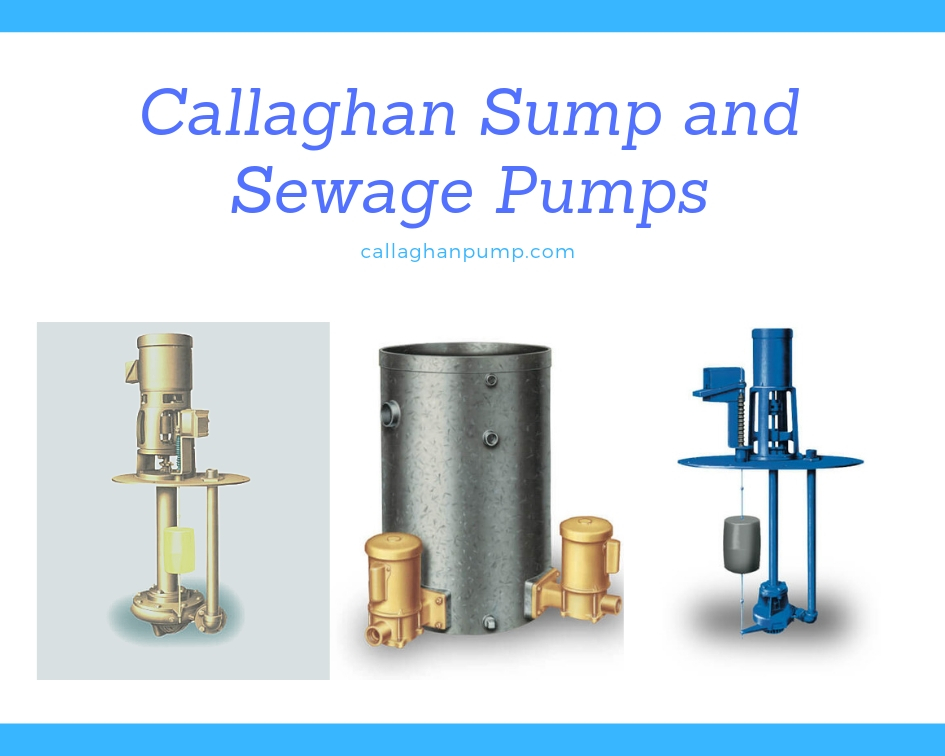
Callaghan Sump and Sewage Pumps


 Callaghan Pump and Controls, Inc. offers one of the finest Sump and Sewage Pumps. It offers 3 different types of Sump and Sewage Pumps to meet your range of requirements.

Thursday, May 12, 2022

CT Variable Booster Pump: A Cost-Effective Water Pressure Device


Whether you are about to take a shower, cook dinner, or clean dishes, having low water pressure can be annoying. This is true for many Connecticut homeowners that have a busy routine. Luckily, there are always signs that you can spot if there’s a water pressure problem.

For instance, if your showerhead subsides to a trickle or the bathtub takes hours to fill, your house may have low water pressure. Here’s how to determine low water pressure problems.

1.      Check the Neighborhood

If your house is plagued with low water pressure, try to consult your neighbors. Are they complaining about a similar problem? Find out whether the water pressure issue affects the whole neighborhood. And if it does, consider installing a Connecticut Variable Booster Pump. It may help you increase the pressure of water from the main water line to your fixtures.

2.      Check the Pressure Regulator

In scenarios where your neighbors have adequate water pressure but you don’t, the culprit could be your water pressure regulator or reducing valve. If it is not in a working condition, call in a plumber. Also, confirm that the main shut-off valve is open.

3.      Check for Leaks

Another potential cause of low water pressure is leaks. A leak anywhere within the mainline can result in serious plumbing problems. Look out for water underneath your cabinet and countertops. Also, don’t forget to check around your appliances, such as washing machines, sinks, and showerheads, for any leaks.

4.      Check for Clogged/Corroded Pipes

Low water pressure is often symptomatic of bigger problems like clogged or corroded water pipes. A clogged pipe forces water to concentrate in one area. It reduces the rate of water pressure and often results in burst pipes. This is a common problem in older pipelines and homes. Also, if low water pressure is accompanied by a weird color or taste, the culprit could be corrosion. In that case, contact a professional plumber.

5.      Check the Plumbing

Still no closer to determining the cause of your low water pressure? You may need to take a closer look at your plumbing system. Are there any valves you aren’t aware of? Do you share your supply line branch with somebody else? Such issues could affect your water pressure and supply. You must address them, but how?

Consider Installing Variable Booster Pumps

If the low water pressure is not caused by leaks, clogs, or any aforementioned problems, then you may need a Connecticut Variable Booster Pump. It is a special type of pump designed to boost water pressure and improve water flow. If your city water is not able to provide enough water pressure, don’t worry. Variable water booster pumps are the answer to your problems.

Wrapping Up

Low water pressure is irritating and time-consuming, but not beyond repair. Whether it’s caused by the city supply, water source, or gravity, you can fix it with Connecticut Variable Booster Pumps. Here at Callaghan Pump, we’ve been serving the Connecticut area for more than 14 years. We are a master distributor of branded variable booster pumps. Need help?

Don’t hesitate to contact us.

Thursday, April 7, 2022

NJ Water Booster Pump: Say Goodbye to Low Water Pressure

Nothing is worse than turning on your showerhead and having a dribble of water coming out of it. This is sad but true for many homeowners that are living in New Jersey. While low water pressure can be a serious issue for homeowners, it can also affect businesses, industries, builders, engineers, and so on. Fortunately, there is a solution.

If you want to have better water pressure in your home or business, consider installing New Jersey Water Booster Pumps. Not only will you get better water pressure, but also an adequate water supply 24/7. Plus, these pumps are a viable solution for both city water and well water.

NJ Water Booster Pump

How do You Check Water Pressure?

Before you decide to install a water booster pump, it’s important to understand whether your home/office has low water pressure. You will need a water-pressure gauge to check the water pressure. Connect it to a faucet. When the faucet is open, you can have a reading on the gauge.

A reading less than 40 PSI (pounds per square inch) is considered low for residential applications, and a reading less than 30 PSI is too low. It should range between 45 and 80 PSI. According to some codes, the minimum pressure required is 20 PSI. Also, note that water pressure above 80 PSI is too high, which causes serious problems like water wastage and damage to pipes, joints, seals, fixtures, etc.

If it appears that low pressure is under 40 PSI, then you may need a New Jersey Water Booster Pump. A good rule of thumb is to check whether your neighbourhood has the same level of water pressure. It is important that your low water pressure is not due to some kind of plumbing-related issue, such as clogging, rusting, etc. In addition to that, make sure:

  • Your pressure regulator is not failing
  • Your main shut-off valve is open
  • Your water meter valve is kept completely open
  • You don’t have old steel water pipes with leaks

How to Measure Water Pressure Without a Gauge?

What if you don’t have a water pressure gauge or don’t want to get one to check your water pressure? Well, you can still check your water pressure using the following methods:

Method 1: Attach a garden hose to your faucet. Turn the faucet on and raise the hose up till the water stops coming out. With a measuring tape, measure the gap between the garden hose end and the water faucet. Now divide the number with 2.31 to convert it into PSI.

Method 2: Get a two-liter jug and set a six-second timer. Start filling the jug with water and turn the water off when the timer goes off. Multiply the water in the jug by ten. If it’s less than 10 liters, you have low water pressure.

Callaghan Pumps and Controls is your one-stop-shop for NJ Variable Booster Pumps. For more than 14 years, we have been offering water-boosting solutions that are made from the best materials possible, maintaining the highest quality standards in New Jersey. Whether the job is small or big, our team helps builders, engineers, and contractors with the pump selection. On top of everything, we offer them the best products at competitive prices.

Get in touch with us today!